Indoor air quality plays an important role in the comfort, cleanliness, and overall health of a home. Because people spend so much time indoors, the air circulating through living spaces can affect how a home feels each day. Dust, pet dander, pollen, moisture, odors, and household chemicals can all influence the quality of the air. When these particles build up, they may contribute to discomfort, stale air, or irritation for people who are sensitive to airborne contaminants.
Many homeowners focus on visible cleaning tasks but may overlook the systems that move air throughout the home. Heating, ventilation, and air conditioning systems can collect and circulate particles if they are not properly maintained. Understanding the factors that affect indoor air quality can help homeowners make better choices about cleaning, ventilation, filtration, and when to contact a duct cleaner for professional support.
Identifying Common Air Pollutants
The first step in improving indoor air quality is knowing what may be present in the home. Common pollutants include dust, pollen, pet dander, mold spores, smoke particles, cleaning product fumes, and volatile organic compounds from paints, furnishings, or household items. These contaminants can enter from outdoors or be created inside through everyday activities.
Some pollutants are easy to notice because they cause odors or visible dust. Others may circulate quietly through the home without obvious signs. Over time, these particles can settle on surfaces, collect in filters, or move through ductwork. A duct cleaner may help homeowners address buildup in parts of the HVAC system that are difficult to reach during routine cleaning.
Improving Ventilation Throughout the Home
Ventilation helps fresh air enter the home and stale air leave. Without proper airflow, pollutants can become trapped indoors and accumulate over time. Opening windows when the weather allows, using exhaust fans in kitchens and bathrooms, and keeping interior doors open can all help support better air movement.
Good ventilation is especially important during activities that release moisture or fumes, such as cooking, showering, painting, or using certain cleaning products. Exhaust fans should vent outdoors rather than into attics or enclosed spaces. When airflow feels weak or uneven, the HVAC system may need inspection to determine whether filters, ducts, or vents are restricting circulation.
Maintaining HVAC Filters Regularly
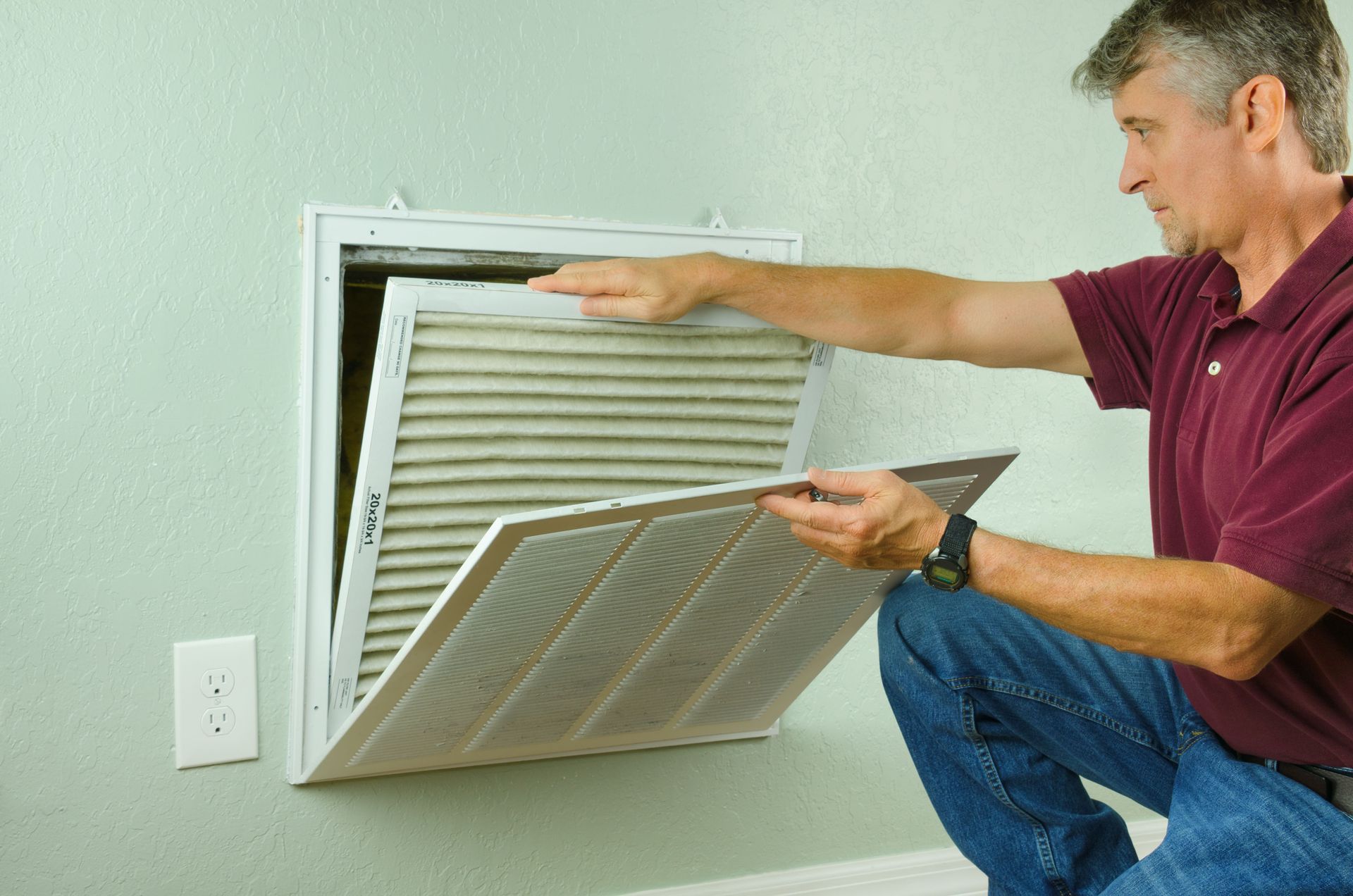
HVAC filters are one of the simplest tools for supporting cleaner indoor air. Filters capture dust, pollen, and other particles before they circulate through the system. When filters become clogged, airflow can decrease and the system may work harder than necessary. This can reduce comfort and allow particles to continue circulating.
Homeowners should check filters regularly and replace them according to the system’s needs, household conditions, and manufacturer guidance. Homes with pets, allergy-sensitive residents, or high dust levels may need more frequent filter changes. Regular filter maintenance can also help reduce strain on HVAC equipment and support more consistent airflow.
Reducing Dust and Allergens
Dust and allergens can collect quickly in carpets, upholstery, bedding, curtains, and other soft surfaces. Regular vacuuming with a quality filter, washing bedding, dusting surfaces, and reducing clutter can all help limit buildup. Hard flooring may also be easier to keep clean than surfaces that trap particles deeply.
Pets can also contribute to indoor allergens through dander and fur. Grooming pets, washing pet bedding, and keeping air filters clean can help reduce the amount of material circulating in the home. If dust returns quickly after cleaning or vents appear dirty, a duct cleaner can evaluate whether contaminants inside the duct system may be contributing to the issue.
Controlling Moisture and Humidity
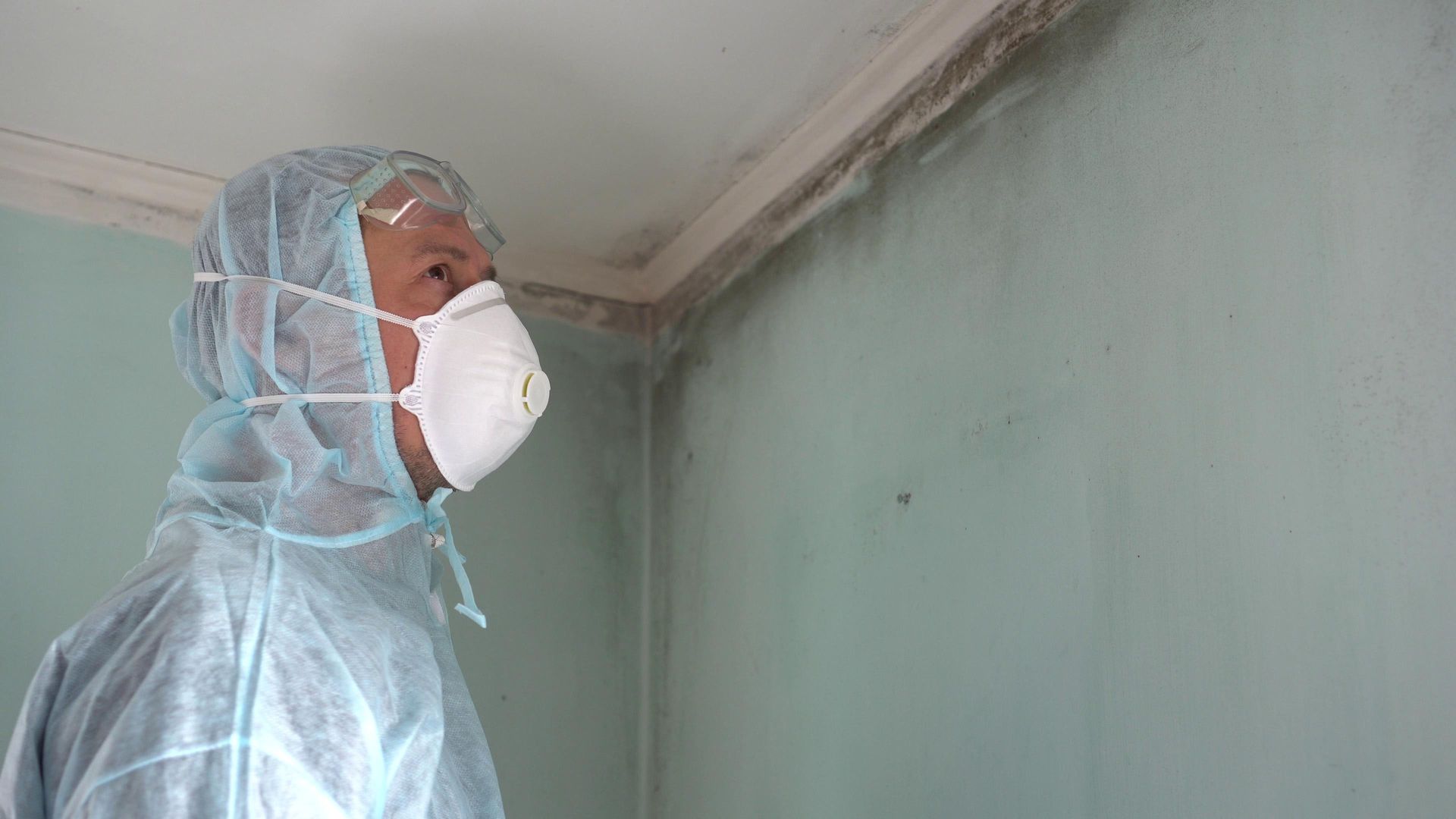
Moisture has a major effect on indoor air quality. High humidity can make a home feel uncomfortable and may encourage mold or mildew growth. Bathrooms, basements, kitchens, laundry rooms, and poorly ventilated areas are especially prone to moisture problems. Leaks, condensation, and standing water should be addressed quickly.
Using exhaust fans, repairing leaks, improving drainage, and maintaining proper humidity levels can help protect the home. Dehumidifiers may be helpful in damp areas, while humidifiers should be used carefully and cleaned often. Managing moisture supports cleaner air and helps reduce conditions that allow mold spores and musty odors to develop.
Limiting Indoor Chemical Exposure
Many household products can release chemicals into the air. Cleaning sprays, air fresheners, paints, adhesives, pesticides, and some furnishings may contribute to indoor air pollution. Choosing low-odor or low-VOC products can help reduce exposure, especially in spaces with limited ventilation.
When using products that release fumes, homeowners should follow label directions and increase ventilation. Storing chemicals properly and avoiding unnecessary fragrance products can also make a difference. Small changes in product choices and usage habits can support fresher air throughout the home.
Cleaning Ductwork When Needed
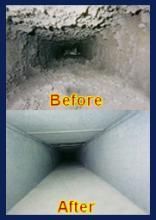
Air ducts can collect dust and debris over time, especially if filters are changed infrequently, the home has pets, or renovation work has produced dust. According to the National Air Duct Cleaners Association, as part of everyday living in a home, people produce dander, dust, and various chemicals that are drawn into the HVAC system and recirculated an average of five to seven times daily, leading to a buildup of contaminants within the ductwork.
Duct cleaning is not always needed on a fixed schedule, but it may be appropriate when there are signs of excessive buildup, visible debris, musty odors, or dust coming from vents. A professional duct cleaner can inspect the system and determine whether cleaning may help improve airflow and reduce the circulation of contaminants.
Improving Airflow Around Vents
Blocked vents can reduce comfort and interfere with air circulation. Furniture, rugs, curtains, and stored items should not cover supply or return vents. When airflow is restricted, some rooms may feel warmer, cooler, or stuffier than others. This can also place added strain on the HVAC system.
Keeping vents open, clean, and unobstructed helps conditioned air move more evenly through the home. Homeowners should also dust vent covers and check for signs of buildup around registers. If airflow remains weak after basic cleaning, a duct cleaner may be able to identify deeper obstructions or debris inside the ductwork.
Monitoring Odors and Warning Signs
Odors can be an important clue about indoor air quality. Musty smells may point to moisture or mold concerns, while burning odors may indicate an electrical or HVAC issue. Persistent stale smells can also suggest poor ventilation or buildup inside the system. These warning signs should not be ignored.
Other signs of poor air quality may include excessive dust, worsening allergy symptoms indoors, uneven airflow, or visible particles near vents. While not every issue is caused by ductwork, these symptoms can help guide the next step. A duct cleaner can be part of a broader indoor air quality plan when HVAC buildup is suspected.
Supporting Long-Term Air Quality
Good indoor air quality depends on consistent habits rather than one-time cleaning. Replacing filters, controlling moisture, cleaning regularly, ventilating properly, and addressing HVAC concerns all work together. Homeowners who take a proactive approach are more likely to maintain fresher, more comfortable indoor air throughout the year.
It is also helpful to review air quality needs after renovations, water damage, pest problems, or major seasonal changes. These events can introduce dust, moisture, or contaminants into the home. Professional support from a duct cleaner may help restore cleaner airflow when normal cleaning is not enough.
Air quality affects the comfort, cleanliness, and livability of every home. By identifying pollutants, improving ventilation, maintaining filters, controlling moisture, limiting chemicals, and paying attention to HVAC system cleanliness, homeowners can create a healthier indoor environment. Small steps taken consistently can make a noticeable difference in how a home feels and functions. For professional help from an experienced duct cleaner and assistance with air duct cleaning and indoor air quality concerns, contact Fresh Air Restoration and Cleaning.