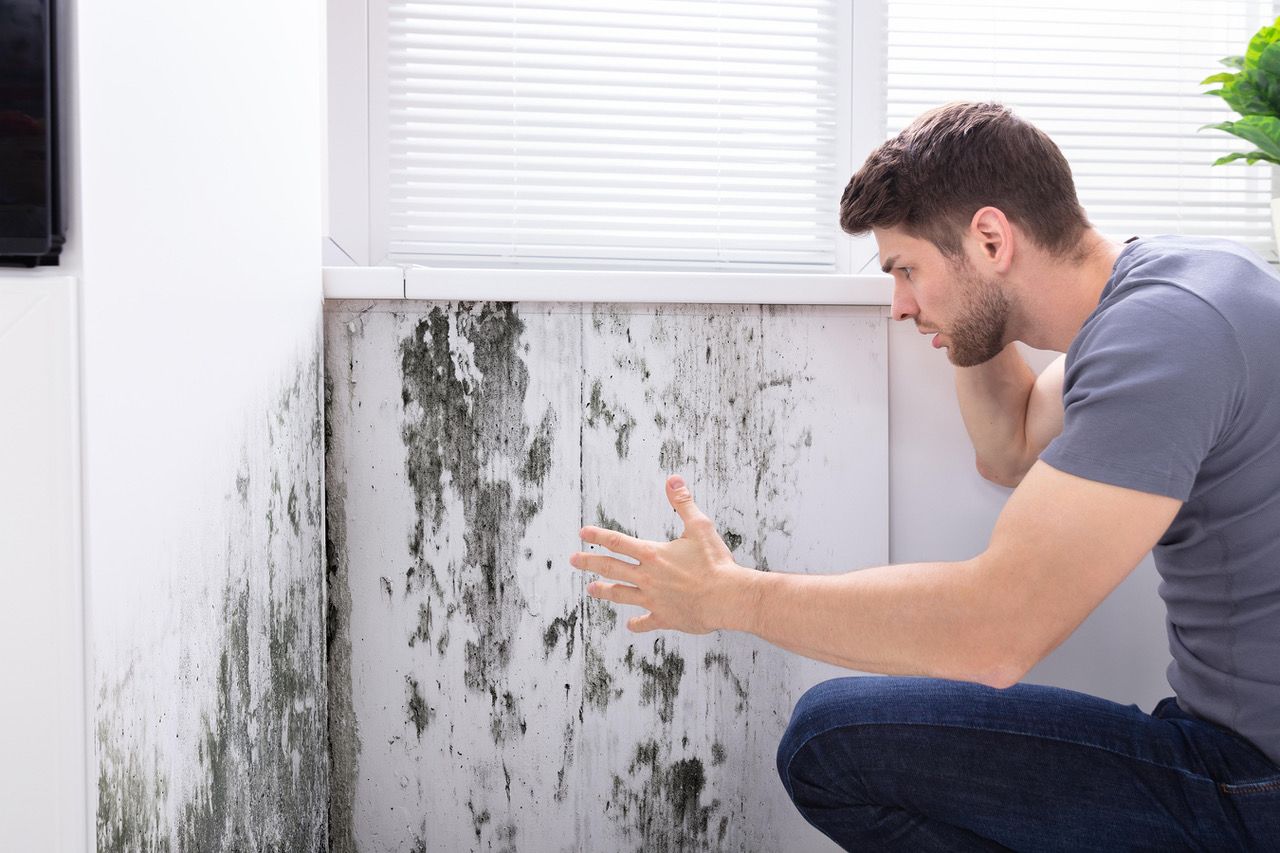
Moisture is one of the leading causes of mold growth in homes and commercial buildings. While a small leak or humidity issue may seem harmless at first, excess moisture can create the perfect environment for mold to develop and spread. Once mold takes hold, it can damage building materials, affect indoor air quality, and lead to expensive repairs.
Understanding how moisture problems contribute to mold damage can help property owners take action before minor issues become major concerns. When mold growth becomes extensive, many property owners turn to mold removal companies to restore a safe and healthy environment.
Identifying Common Sources of Moisture
Moisture can enter a property through a variety of sources. Roof leaks are among the most common causes. Even a small opening in a roof can allow water to seep into ceilings and walls, creating damp conditions where mold can thrive. Because these leaks are often hidden, damage can continue for weeks or months before being discovered.
Plumbing issues are another frequent source of moisture. Dripping faucets, leaking pipes, and damaged water lines can introduce water into walls, flooring, and cabinets. If repairs are delayed, the moisture can spread throughout surrounding materials and encourage mold growth.
Basements are especially vulnerable to moisture problems. Groundwater intrusion, poor drainage, and foundation cracks can allow water to enter below-ground spaces. According to This Old House, a flooded basement can create ideal conditions for mold growth in as little as 24 to 48 hours, making quick cleanup and drying critical to preventing serious damage.
Indoor humidity can also create favorable conditions for mold. Bathrooms, kitchens, and laundry rooms naturally generate moisture. Without proper ventilation, humidity levels can rise and linger on surfaces. Over time, this excess moisture can contribute to mold growth even when no obvious leak is present.
Understanding How Mold Develops
Mold spores exist naturally in the environment and are present both indoors and outdoors. These microscopic particles can enter buildings through doors, windows, ventilation systems, and even on clothing. While spores are always present, they generally remain inactive until they encounter moisture.
When moisture becomes available, spores begin to grow and spread. Warm temperatures and elevated humidity accelerate this process. Mold can develop on drywall, wood, carpeting, insulation, and other materials commonly found in homes and businesses.
One of the challenges of mold is how quickly it can establish itself. Within a short period, a small moisture issue can lead to widespread contamination. This is why prompt action is so important whenever water intrusion occurs. Many property owners contact mold removal companies when mold growth becomes visible or when musty odors suggest a hidden issue.
Examining the Relationship Between Building Materials and Mold
Certain materials are more susceptible to mold damage than others. Porous materials such as drywall, wood, ceiling tiles, and carpeting absorb moisture easily. Once damp, they provide both the moisture and organic material mold needs to survive.
Non-porous surfaces like metal and glass are less likely to support mold growth directly. However, moisture can still collect on these surfaces and spread to nearby materials that are more vulnerable. Mold may also develop in hidden areas behind walls, beneath flooring, or above ceilings where moisture remains trapped.
Understanding which materials are most vulnerable can help property owners focus their prevention efforts. Keeping these materials dry is one of the most effective ways to reduce mold risks and limit the need for extensive remediation.
Recognizing the Health Effects of Mold Exposure
Mold damage affects more than just buildings. Mold exposure can impact indoor air quality and contribute to a variety of health concerns. Individuals who are sensitive to mold may experience symptoms such as coughing, sneezing, congestion, eye irritation, and skin discomfort.
People with asthma or other respiratory conditions may notice worsening symptoms when exposed to mold-contaminated environments. Young children, older adults, and individuals with weakened immune systems may be particularly vulnerable.
The longer the mold remains in a building, the greater the potential for ongoing exposure. This is one reason many homeowners seek assistance from mold removal companies when mold is discovered. Addressing the source of moisture and removing contamination can help improve indoor environmental conditions.
Understanding the Financial Impact of Mold Damage
Moisture-related mold problems can become expensive if left untreated. What begins as a small leak may eventually require extensive repairs to walls, flooring, insulation, or structural components. The longer moisture remains present, the more extensive the damage can become.
Mold can also affect property values. Potential buyers may hesitate to purchase a property with a history of mold issues, especially if remediation was not properly documented. In some situations, mold concerns can delay real estate transactions or lead to reduced offers.
In addition to repair costs, property owners may face expenses related to temporary relocation, replacement of damaged belongings, and professional remediation services. Taking preventive measures early is often far less costly than addressing widespread mold damage later.
Implementing Effective Moisture Prevention Strategies
The most effective way to prevent mold damage is to control moisture. Routine inspections can help identify small issues before they become significant problems. Property owners should periodically examine roofs, plumbing systems, windows, and foundations for signs of leaks or water intrusion.
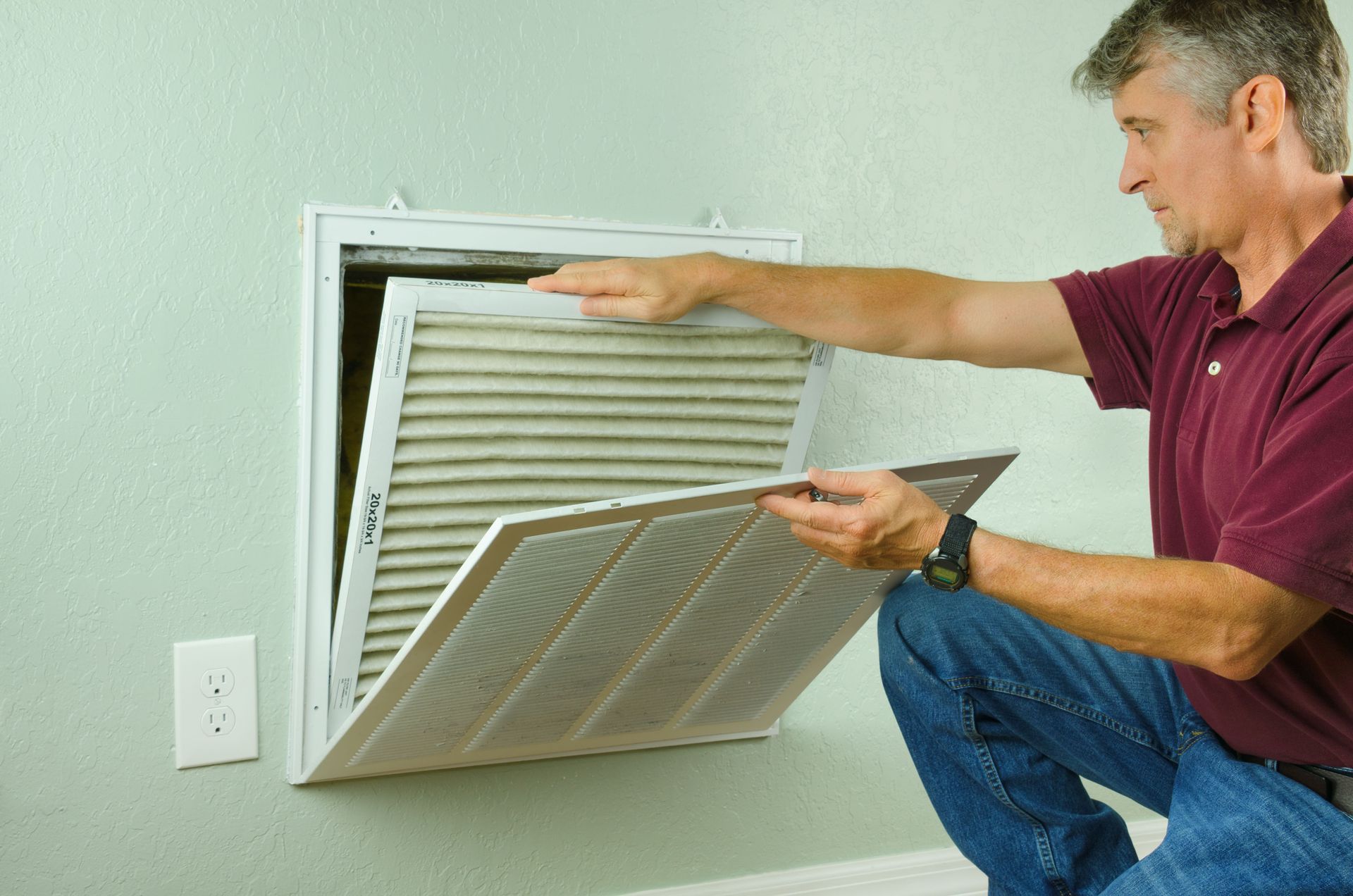
Maintaining proper ventilation is equally important. Exhaust fans in bathrooms and kitchens help remove excess humidity from the air. Adequate airflow throughout a building reduces the likelihood of moisture accumulation on surfaces.
Humidity control can also play a major role in mold prevention. Air conditioners and dehumidifiers help maintain indoor humidity levels within a healthy range. Monitoring humidity levels allows property owners to identify conditions that may encourage mold growth.
Prompt repairs are another essential component of prevention. Whether the issue involves a leaking roof, damaged plumbing, or groundwater intrusion, immediate action can prevent moisture from spreading and creating favorable conditions for mold.
Many newer construction products are designed to resist moisture and mold growth. Mold-resistant drywall, coatings, and building materials can provide additional protection in areas that are frequently exposed to humidity. These measures can reduce the likelihood of needing help from mold removal companies in the future.
Taking the Right Steps After Discovering Mold
Discovering mold can be concerning, but taking swift action can limit further damage. The first step is identifying and addressing the source of moisture. Without eliminating the moisture problem, mold is likely to return even after cleanup.
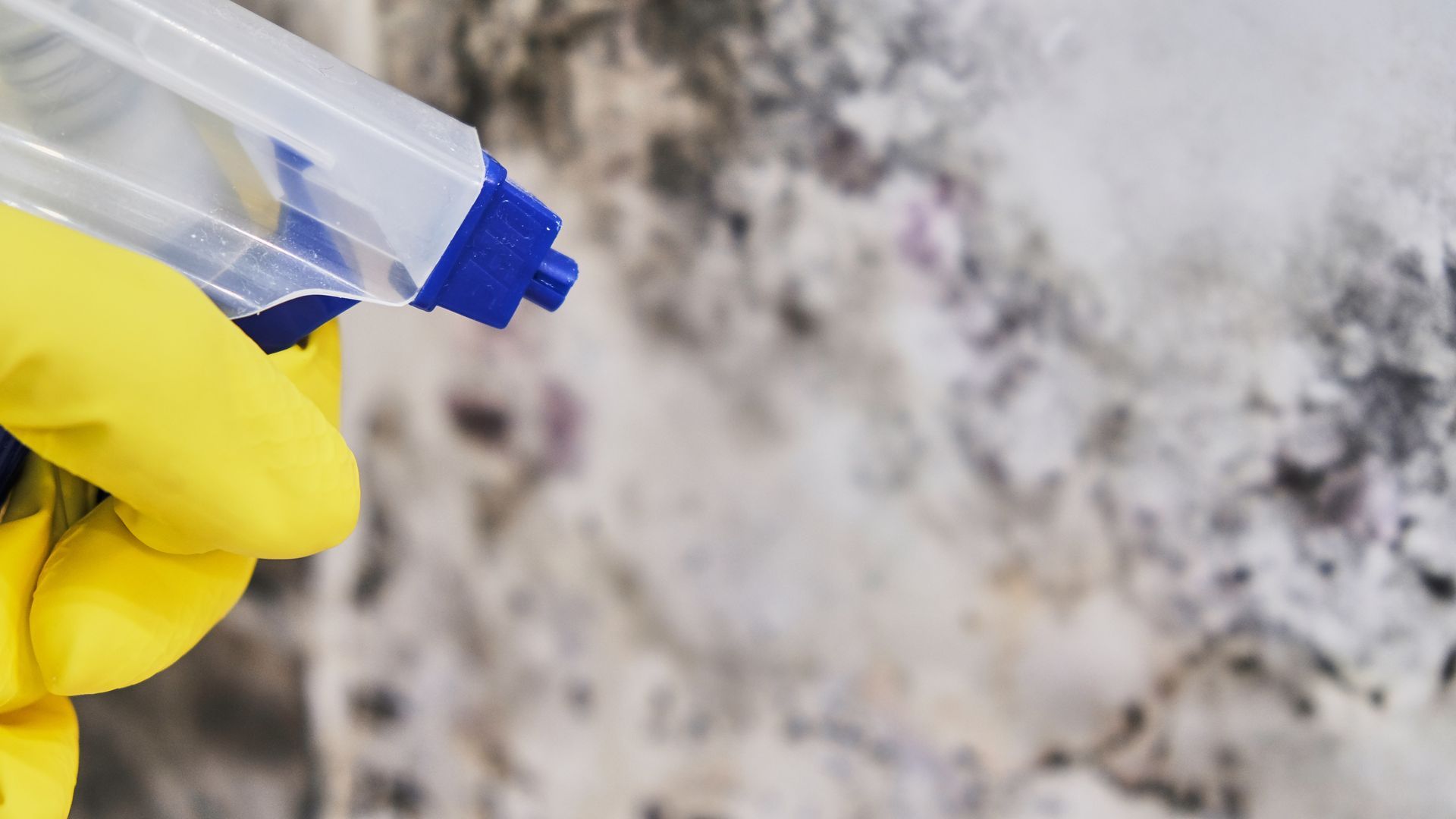
Property owners should assess the extent of the contamination. Small, isolated areas may sometimes be addressed through appropriate cleaning methods. However, larger infestations often require professional evaluation and remediation.
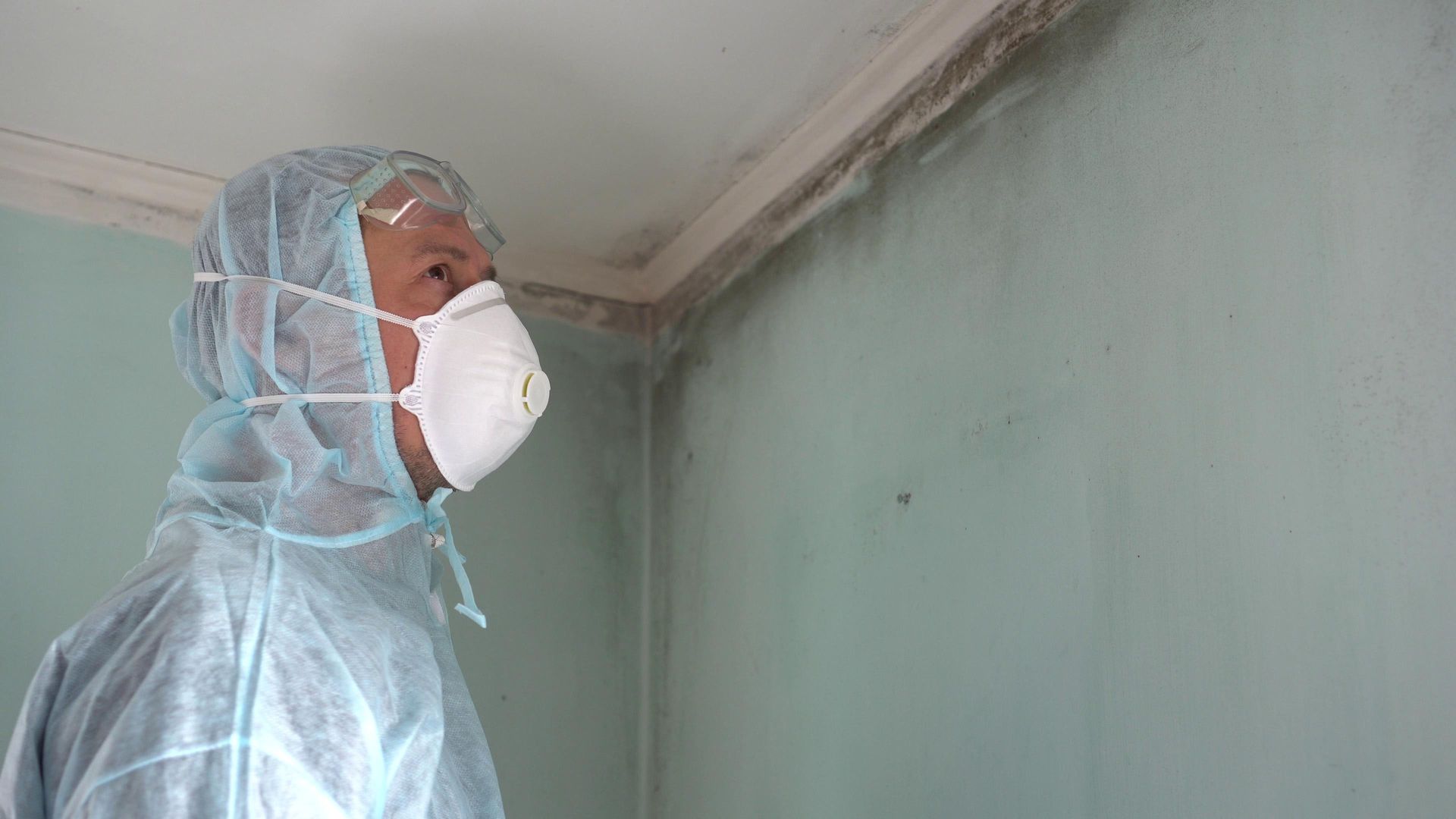
Professional mold removal companies have specialized equipment and training to identify hidden contamination and safely remove affected materials. Their services can help ensure that mold is removed thoroughly while minimizing the risk of spreading spores throughout the property.
Following remediation, additional inspections may be performed to verify that moisture issues have been corrected and that mold levels have been reduced. Continued monitoring helps maintain a healthy indoor environment and prevents future problems.
Maintaining Long-Term Mold Prevention
Successful mold prevention requires ongoing attention. Property owners should continue monitoring for leaks, humidity fluctuations, and signs of water intrusion. Routine maintenance can help identify developing issues before they result in extensive damage.
Regular inspections of basements, crawl spaces, attics, and plumbing systems are especially important because these areas are often prone to hidden moisture. Consistent upkeep helps preserve building materials and supports healthier indoor conditions.
Working with experienced mold removal companies when problems arise can also provide valuable guidance on long-term prevention strategies. Professional recommendations can help property owners reduce future risks and protect their investments. Property owners who establish preventive maintenance habits often experience fewer moisture-related issues and enjoy greater peace of mind.
Preventing mold begins with controlling moisture through regular inspections, proper ventilation, humidity management, and prompt repairs. When mold does occur, addressing the problem quickly is essential to minimizing damage and protecting occupants. If you are dealing with moisture issues or suspect mold growth in your property, contact Fresh Air Restoration and Cleaning.
Our team can help assess the situation, address contamination concerns, and restore a cleaner, healthier indoor environment. By working with qualified mold removal companies, property owners can take an important step toward protecting their homes and businesses from future mold damage. Contact us today!