June 22, 2026
June 22, 2026 | Chris Moreno
Mold growth is a common household issue that prompts many homeowners to try quick DIY solutions, such as using bleach sprays. However, it's crucial to understand the limitations of these approaches and the importance of professional mold remediation. Mold not only presents a significant health hazard but also poses a persistent threat to the structural integrity of homes.
Many homeowners rely on bleach because it's perceived as a strong cleaner, but misconceptions about its effectiveness can lead to long-term damage and health issues. According to Today’s Homeowner, approximately 70% of homes in the United States have some form of mold growth present. This staggering statistic underscores the widespread nature of the problem and the need for proper mold remediation techniques.
The Misconception of Bleach as a Mold Solution
The Chemistry of Bleach
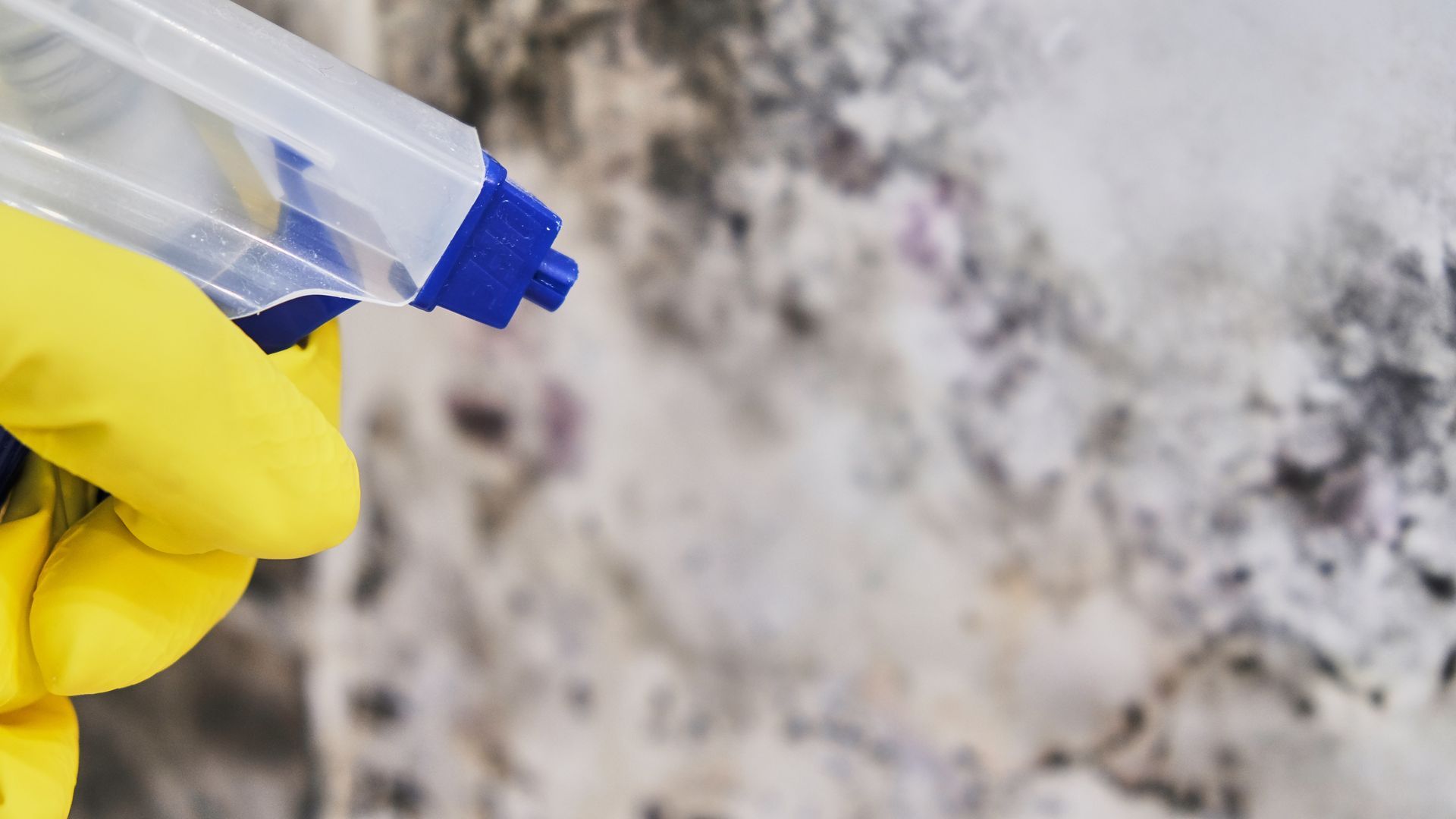
Bleach is widely regarded as a powerful disinfectant due to its ability to kill bacteria, viruses, and fungi on contact. It achieves this by breaking down the cell walls of microorganisms, but its effectiveness varies by surface type. On non-porous surfaces, bleach can kill mold on the surface level, providing a temporary clean appearance.
However, mold growth often occurs on porous materials like wood, drywall, and fabric, where bleach struggles to penetrate. The chemistry of bleach limits its ability to reach the root of mold infestations that lie beneath the surface. Consequently, relying on a basic chemical wipe-down instead of comprehensive mold remediation often results in incomplete mold removal and misleading results.
The Surface versus Deep Issue
Mold is notorious for thriving in hidden spaces, often going undetected until it becomes a significant problem. While bleach gives a superficial clean, it does little to address mold growth beneath the surface of porous materials. As a result, the underlying mold can continue to grow, potentially worsening the infestation over time.
Bleach's effectiveness is largely cosmetic as it can whiten discolored surfaces without actually eliminating the problem from its source. Over time, homeowners may see the mold reappear, often exacerbated due to moisture that is attracted to the area, believing it has been treated. This cycle can lead to significant structural issues and continuous household disruptions unless a proper mold remediation process is initiated.
Spore and Root Challenges
Mold spores are microscopic and disperse quickly through the air, easily contaminating other areas of a property. Even when bleach appears to remove mold from a surface, it often leaves behind spores or the resilient root structures of these organisms. When conditions are favorable, these remnants can rapidly regrow and spread further.
The challenge with mold is not just eliminating its appearance but ensuring that inactive spores and roots are fully eradicated to prevent recurrence. This task is beyond the capabilities of typical household cleaners like bleach, which may not fully penetrate or neutralize these biological entities. Professional mold remediation techniques, in contrast, use specialized treatments designed to tackle spores and roots comprehensively.
The Science of Mold Growth
Understanding Mold Spore Propagation
Mold spores are remarkably resilient and are naturally found both indoors and outdoors. Spreading easily through air currents, these spores can quickly settle on any surface, leading to widespread contamination if conditions are conducive. When mold conditions such as moisture, warmth, and food sources are present, these spores can germinate and grow into colonies.
The cyclical nature of spore propagation requires a comprehensive understanding and control to prevent excessive mold establishment. In environments where mold spores are allowed to thrive, they can rapidly colonize and pose significant challenges. Homeowners must recognize that addressing mold is about interrupting this cycle and preventing new colonies from forming.
Mold's Environmental Preferences
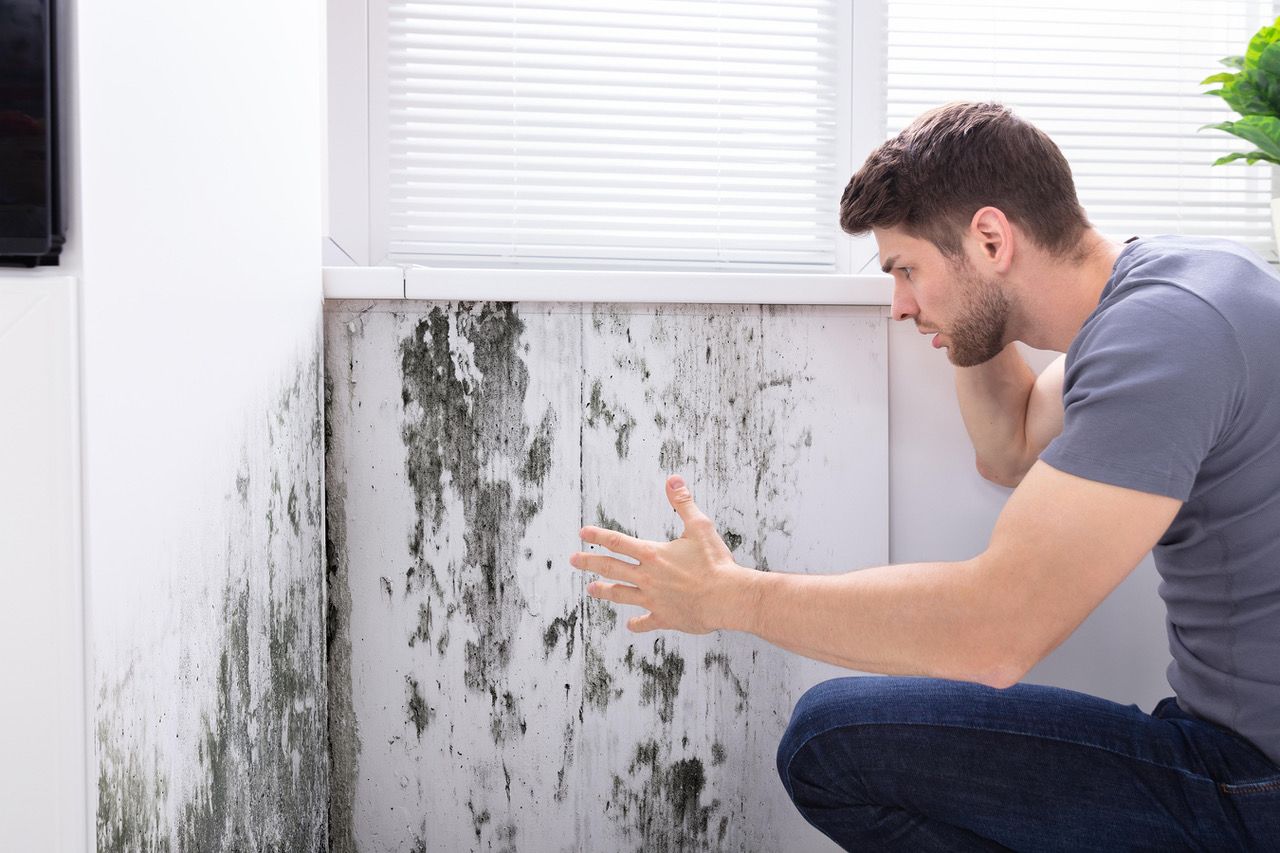
Mold favors environments that are warm and humid, making many parts of a household susceptible to colonization. Bathrooms, kitchens, and basements are particularly vulnerable due to their frequent exposure to moisture and lack of significant ventilation. Accumulated condensation, leaky pipes, or high humidity levels exacerbate mold growth.
Mold spores thrive on materials commonly found in homes like drywall, wood, and carpet, which provide the necessary nutrients for their growth. The architecture and design of homes mean that often small, inconspicuous areas are prone to the accumulation of moisture, providing a perfect breeding ground for spores to flourish unnoticed.
Dangers of Mold Mycotoxins
Mycotoxins are harmful compounds produced by certain types of mold as part of their growth process. Exposure to these toxins can present serious health risks, including respiratory issues, allergic reactions, and immune system suppression. In some cases, they might contribute to more severe health consequences or exacerbate existing medical conditions.
In properties where structured mold remediation is neglected, homes with persistent problems risk mycotoxin buildup, creating an environment that threatens well-being. Long-term exposure can lead to chronic health ailments that often go misdiagnosed, as mycotoxins can affect animals, plants, and humans differently. These toxins degrade the quality of life, becoming an insidious issue for inhabitants.
Limitations of DIY Methods
Lack of Comprehensive Assessment
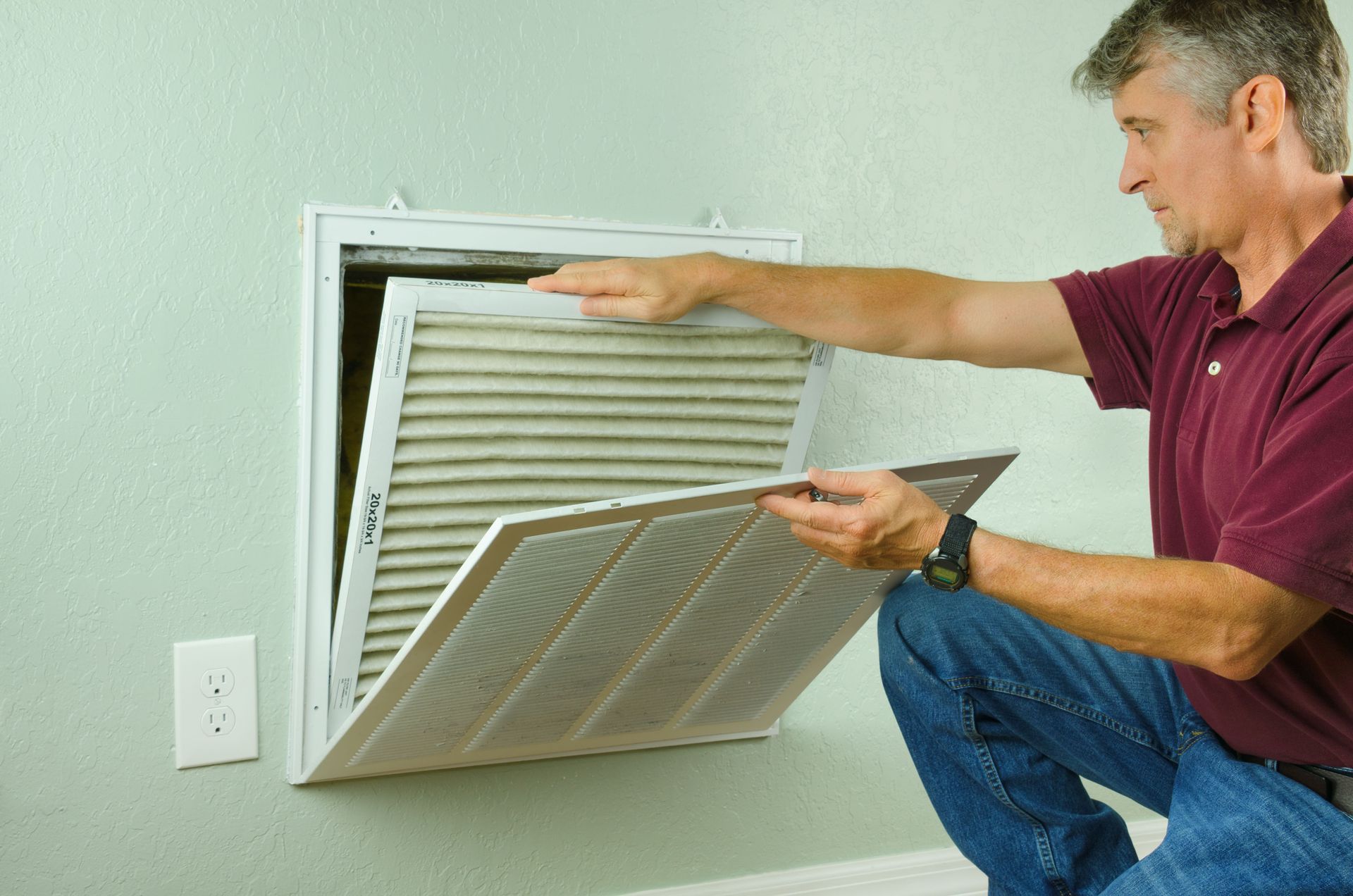
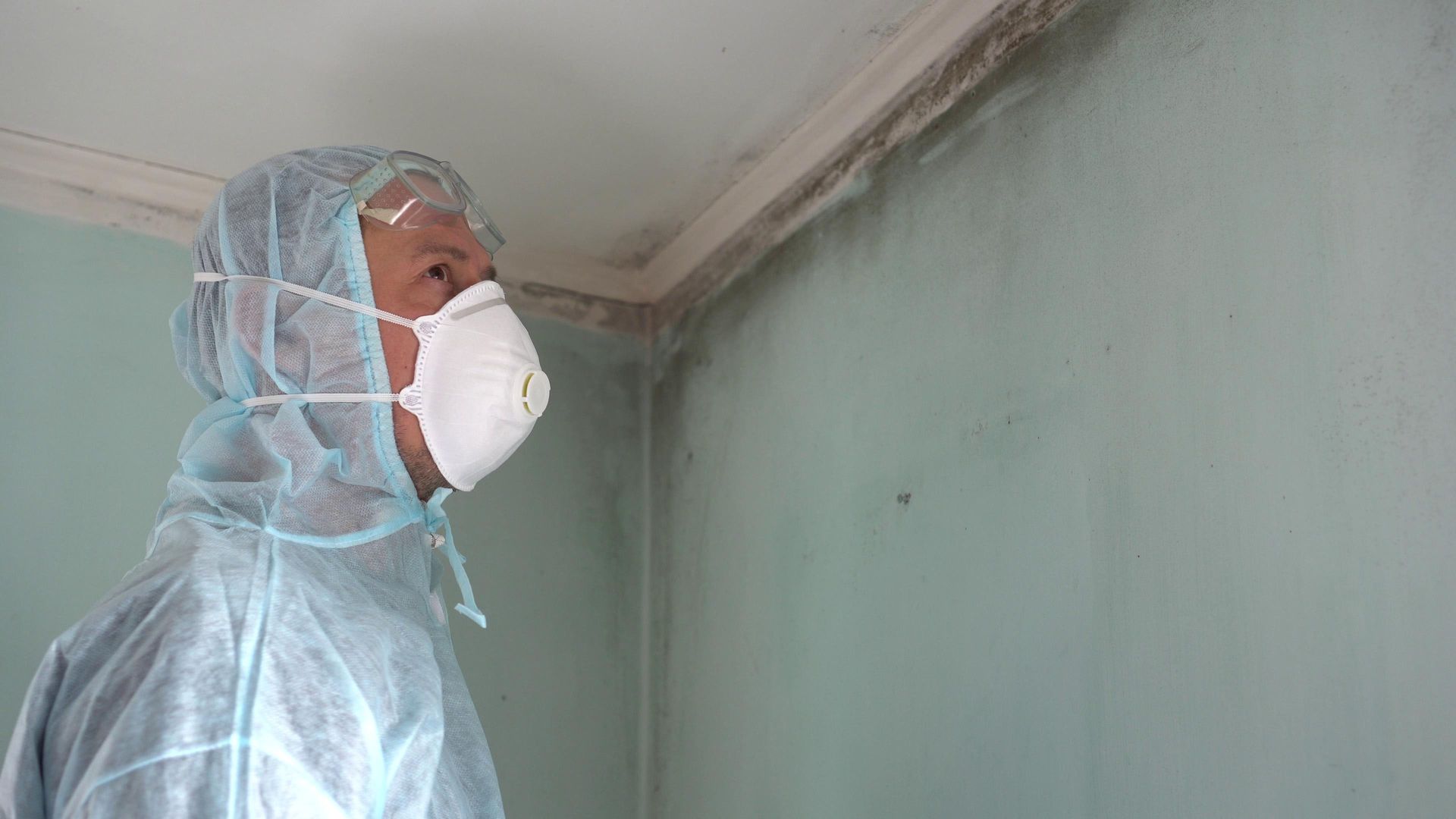
DIY mold removal efforts often lack the thorough assessment required to understand the full extent of contamination. Professional inspections utilize advanced technology to detect mold in hidden areas, which homeowners may overlook. Missing hidden mold can lead to unresolved issues that may cause long-term damage and health risks.
Without professional guidance, homeowners might misjudge the severity of the mold problem based on visible areas alone. As a result, they may address only superficial symptoms, rather than tackling the root cause of the mold problem. This incomplete understanding limits the effectiveness of DIY interventions, making standard mold remediation highly necessary.
Risk of Incomplete Mold Removal
Incomplete removal is a key deficiency of most DIY mold treatments. When mold is not thoroughly eradicated, it rapidly regrows, sometimes even more aggressively than before. DIY solutions typically fail to eliminate mold roots, allowing them to flourish once conditions are right.
Inadequate mold removal can lead to repeated and increasingly complex mold infestations, compounding health risks and property damage. Moreover, it falsely assures homeowners that the problem has been resolved, delaying timely intervention. Comprehensive removal is vital to interrupt the mold lifecycle and stop it from recurring.
Potential of Mold Cross-Contamination
DIY remediation efforts may inadvertently spread mold spores to new areas throughout the home, complicating what might seem like a straightforward problem. Without the proper containment procedures, disturbed mold can become airborne, leading to cross-contamination and widespread distribution. This unintended consequence can transform a small mold problem into a significant infestation.
The risk of cross-contamination underscores the importance of professional containment strategies, which are often absent in DIY attempts. Certified professionals are trained to isolate affected areas, deploying barriers, air filtration devices, and precise cleaning techniques. These structural protocols prevent spores from migrating and establishing new colonies elsewhere.
While household bleach sprays offer a quick, cosmetic fix for surface stains, they lack the chemical capability to eliminate deep-seated mold infestations. Because bleach is water-based, it cannot penetrate porous materials like wood or drywall, often leaving hidden root systems and airborne spores completely intact to regrow.
Furthermore, attempting to clean mold without professional containment risks cross-contaminating the rest of your home and exposing your family to hazardous mycotoxins. Ultimately, short-term DIY methods cannot replace the specialized diagnostic technology, containment protocols, and heavy-duty source eradication that certified mold remediation professionals provide to keep your home structurally sound and safe to breathe in.
Don't let hidden spores compromise your property's air quality and structural integrity. Contact Fresh Air Restoration and Cleaning today to speak with a certified specialist and schedule your professional mold remediation consultation.