August 18, 2026
August 18, 2026 | Chris Moreno
Every time your heating or cooling system kicks on, a network of hidden metal channels delivers conditioned air into every corner of your living space. Over time, these hidden passageways can gather far more than simple household dust, silently spreading airborne contaminants and compromising indoor air quality throughout your home. Learning how to spot the early warning indicators will help you determine whether it is time to hire a professional duct cleaner to restore pure airflow and maximize system efficiency.
The hidden network of ductwork inside modern residences plays a massive role in maintaining indoor comfort, yet it remains completely out of sight for most homeowners. Because these ventilation pathways operate behind drywalled ceilings, within crawlspaces, and inside floor joists, substantial volumes of environmental particulate matter can accumulate over months and years without detection. According to recent market analysis published by Data Intelo, the worldwide market for air duct cleaning services reached an estimated valuation of $6.1 billion in 2025, with North American properties representing a commanding 38.2% share of that overall value. This substantial economic footprint highlights a growing awareness among property owners regarding the critical link between ventilation hygiene, energy conservation, and human wellness. Understanding when your personal ventilation system requires professional intervention is essential for maintaining an immaculate living environment.
1. Observing Heavy Dust Accumulation Around Register Vents
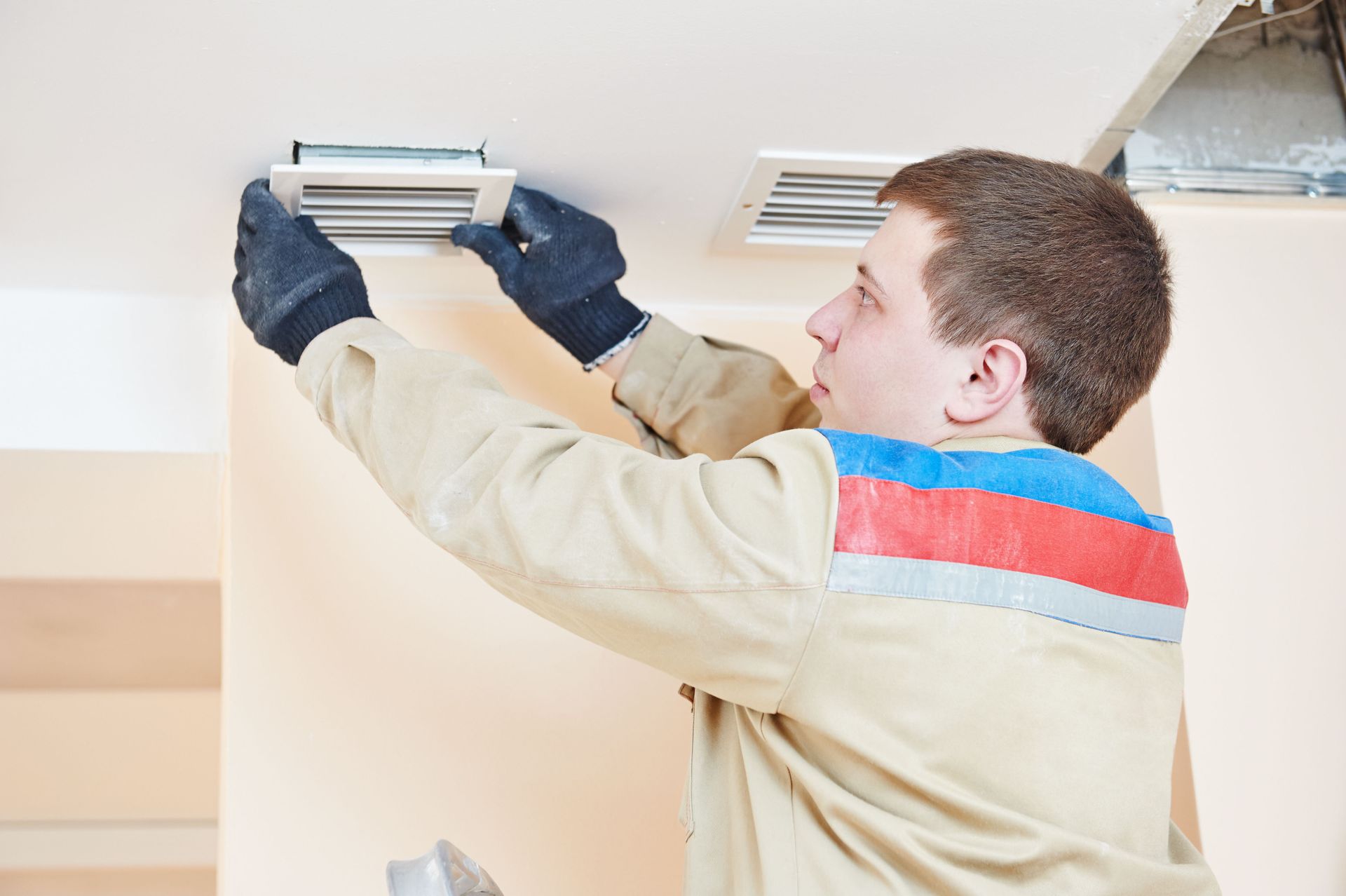
One of the most obvious indicators that your ventilation network requires immediate attention is the presence of visible particulate matter forming around supply registers and return grilles. When fine grey soot, dark smudges, or thick velvety blankets of dust coat the metal slats of your vents, it signifies that the interior air pathways are heavily loaded with debris. As conditioned air rushes through contaminated channels, it continuously displaces loose particulate matter, blowing fine dust directly into your furniture, drapery, and flooring. If you find yourself dusting table surfaces only to discover a fresh layer of grime mere hours later, your ventilation channels are likely operating as dust distribution networks rather than clean airflow routes. Engaging a certified duct cleaner to perform a thorough video camera inspection can confirm whether the interior metal surfaces have accumulated enough particulate build-up to warrant full system remediation.
2. Experiencing Persistent Musty Odors During System Operation
Unpleasant smells that suddenly emanate from supply vents whenever your furnace or air conditioner engages strongly suggest that organic matter or trapped moisture is compromising your ductwork. A stale, sour, or mildew-like stench often points to fungal spores or stagnant moisture settling within dark, unventilated supply channels. In other instances, a faint burning odor or acrid smell may indicate that accumulated dander, hair, and household fibers are baking against heating coils or heat exchangers inside the furnace cabinet. When these foul scents linger despite cleaning room surfaces, washing textiles, and burning scented candles, the root source almost certainly resides deep inside your mechanical ventilation pathways. Professional equipment designed to agitation-scrub metal interiors and pull negative pressure through the system will effectively eliminate these trapped odor sources.
3. Noticing Unexplained Spikes in Monthly Utility Bills
A sudden, unaccounted-for surge in monthly heating and cooling expenses frequently points toward restricted airflow and severe internal friction within your HVAC network. When thick mats of dust, lint, pet hair, and drywall debris constrict the internal diameter of supply lines, your blower motor must work significantly harder to move air across the home. This added resistance forces the entire mechanical apparatus to run longer cycles to satisfy the temperature setting on your thermostat, rapidly inflating electric and natural gas usage. Furthermore, heavy debris can coat critical components such as evaporator coils and blower wheels, severely insulating them and reducing their thermal transfer capabilities. In these situations, calling an experienced duct cleaner can reveal restricted airflow points and clear away dense blockages, thereby lowering operating friction and returning your monthly utility bills to normal baseline levels.
4. Suffering Increased Respiratory Symptoms and Indoor Allergies
Your home should serve as a safe sanctuary, but contaminated ventilation channels can turn indoor air into a trigger for continuous respiratory discomfort. When family members experience unexplained coughing fits, sneezing episodes, itchy eyes, or morning sinus congestion that vanishes shortly after leaving the house, indoor air pollution is often the primary culprit. Contaminated ductwork can continuously recirculate microscopic allergens, including pet dander, pollen grains, dust mite waste, and textile fibers, directly into sleeping areas and living spaces. Because the average person spends roughly ninety percent of their time indoors, breathing constantly recirculated particulate matter can exacerbate asthma symptoms and cause persistent upper respiratory irritation. Deep mechanical extraction removes these settled allergen reservoirs, significantly reducing the concentration of irritants floating through your ambient living space.
5. Detecting Visible Mold Growth Inside Heating Air Ducts
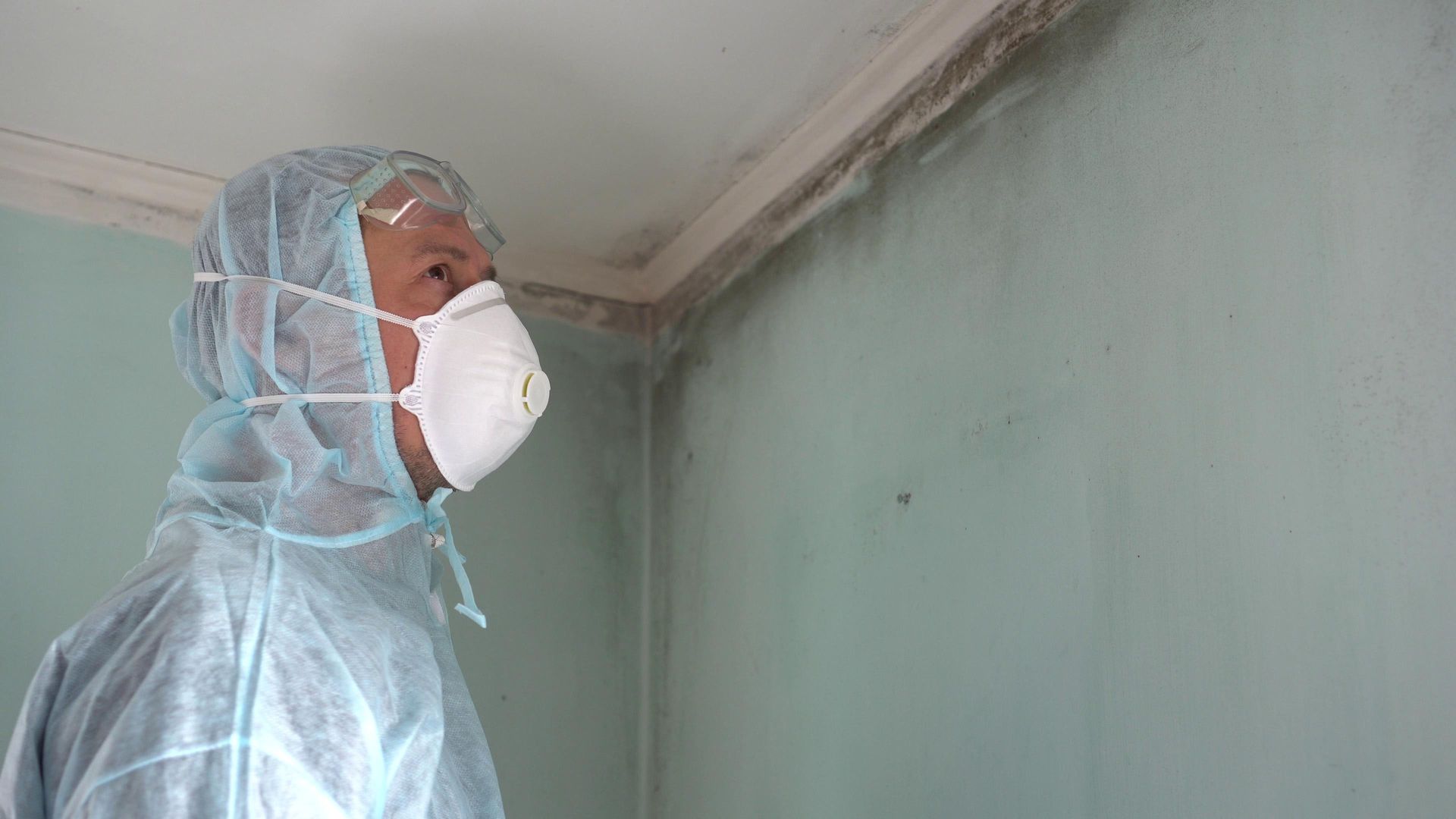
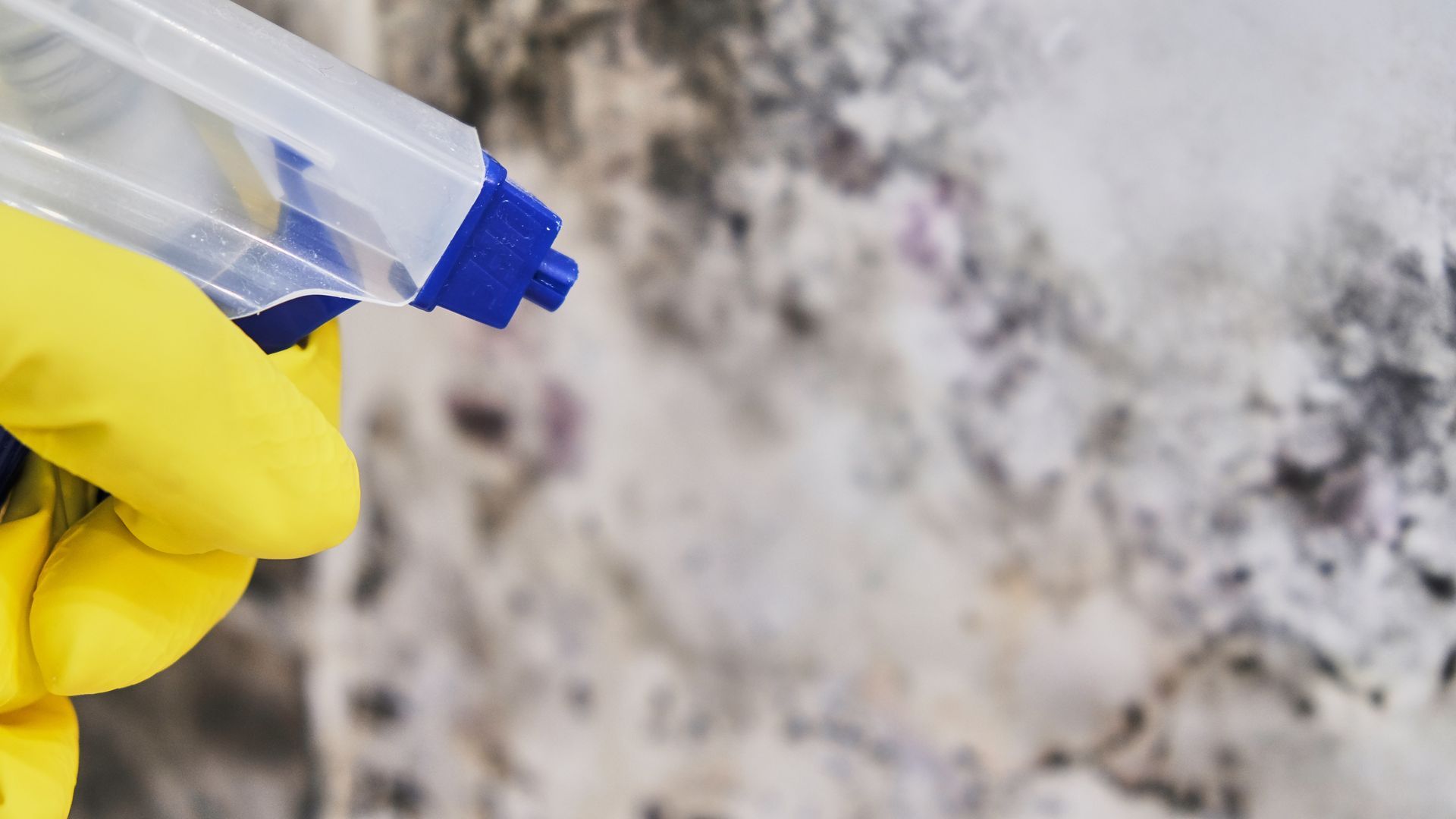
Discovering fuzzy black, green, or white fungal patches anywhere around your register covers or inside air supply ducts represents a serious issue that demands rapid professional intervention. Air conditioning systems produce considerable condensation during hot summer months, and if ductwork is inadequately insulated or suffers from air leaks, moisture will condense inside the metallic passages. When standing water mixes with ambient household dust, it creates an ideal breeding ground for toxic fungal colonies to flourish out of sight. As air sweeps past these active growth sites, it distributes microscopic fungal spores directly into every room connected to the central HVAC system. Consulting an expert duct cleaner who specializes in microbial remediation and anti-fungal treatments ensures that active mold colonies are safely contained, sanitized, and permanently removed without cross-contaminating other living zones.
6. Finding Evidence of Pest Infestations Within System Channels
Rodents, insects, and birds frequently view warm, protected air ducts as ideal nesting locations, particularly during cold winter seasons or damp early spring months. If you hear mysterious scratching, scampering, or buzzing noises echoing through your walls or ceilings when the air conditioning fan turns off, pests may have gained entry into your ventilation network. Pests can chew through flexible ducting, leave behind droppings, construct bulky nests out of insulation fibers, and introduce dangerous bacterial contaminants into the air stream. Beyond the obvious physical damage to duct materials, pest residue introduces unpleasant odors and biological hazards into the air your family breathes every single day. Professional remediation requires removing all nesting materials, thoroughly sanitizing the duct walls with EPA-registered disinfectants, and sealing structural entry points to prevent future invasions.
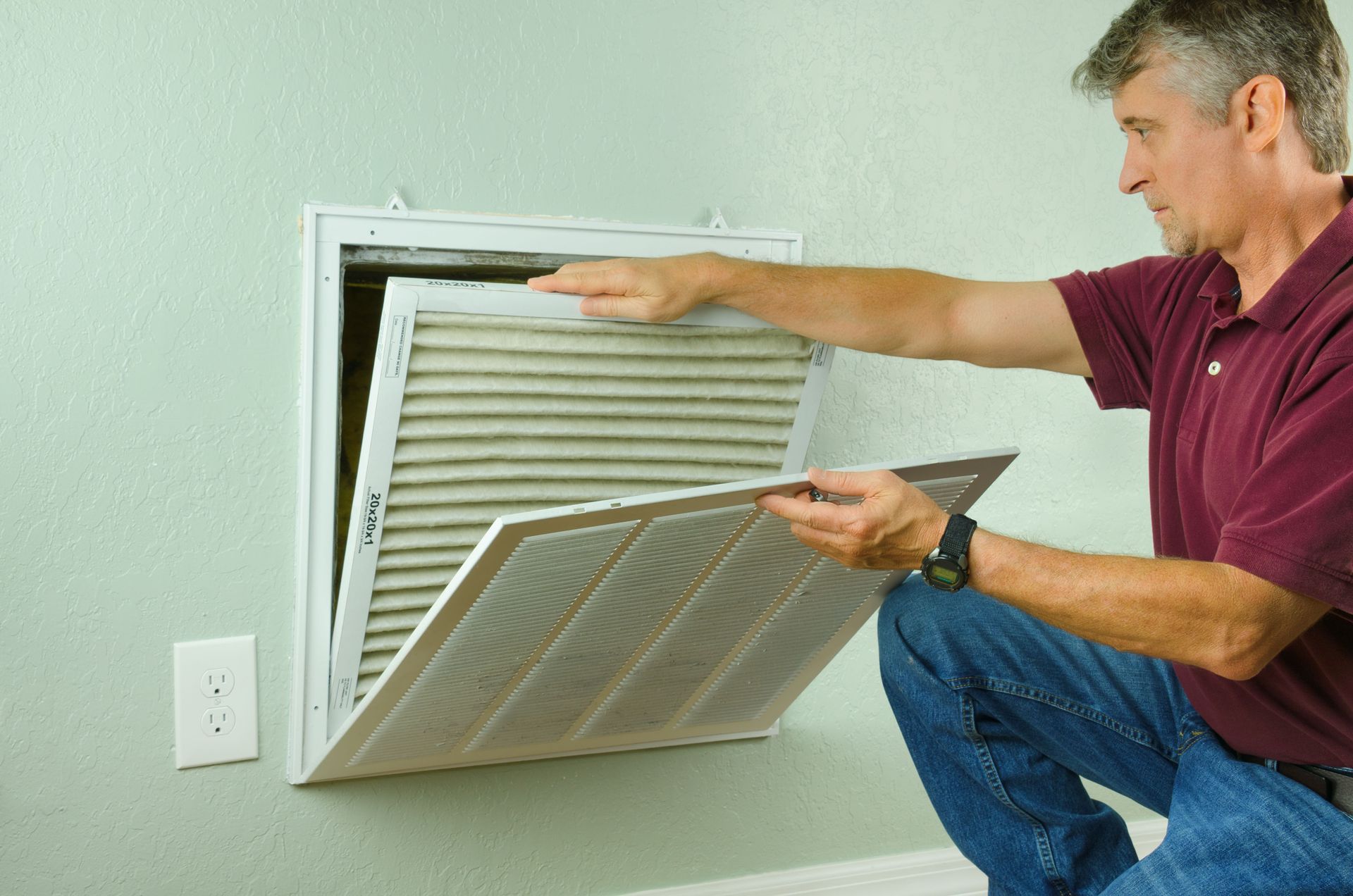
Taking a proactive approach toward overall HVAC cleanliness provides long-term dividends for both indoor health and household financial management. While changing disposable furnace filters every one to three months remains an indispensable basic maintenance task, standard filters cannot trap every microscopic particle that enters return vents over several years of continuous operation. Furthermore, major home renovations, drywall installation, flooring sanding, or pet ownership can accelerate dirt accumulation exponentially within a short timeframe. Relying on a qualified duct cleaner helps prevent long-term mechanical strain on your furnace blower motor, protects sensitive electronic control boards, and preserves the clean scent of your interior living spaces. Investing in periodic visual checks and professional cleaning cycles ultimately safeguards your property's primary mechanical infrastructure while ensuring that every breath your family takes inside your home is crisp, clean, and entirely safe.
Maintaining a healthy indoor environment requires staying attentive to the subtle performance shifts and physical warning signs your heating and cooling setup provides. Partnering with a certified duct cleaner ensures that accumulated debris, biological growth, and hidden pollutants are thoroughly removed from your home. By scheduling regular professional inspections, you can protect your family's respiratory health, improve overall energy efficiency, and enjoy truly clean air all year round. For more insight on knowing if you should hire a professional
duct cleaner, please contact Fresh Air Restoration and Cleaning today.